
Are You Supposed to Have a Career in Tech in 2026?
What actually matters now

I had the same conversation twice last week. Two different engineers. Two different companies.
Same question: “Is a tech career still worth it in 2026?”
I understand why people ask. AI writes code. Teams shrink. Roles blur. What used to feel solid now feels temporary.
So let me say this upfront. The career is fine. What broke are the old assumptions.
The tools changed. The job did not.
Every cycle brings new tools. New frameworks. New titles.
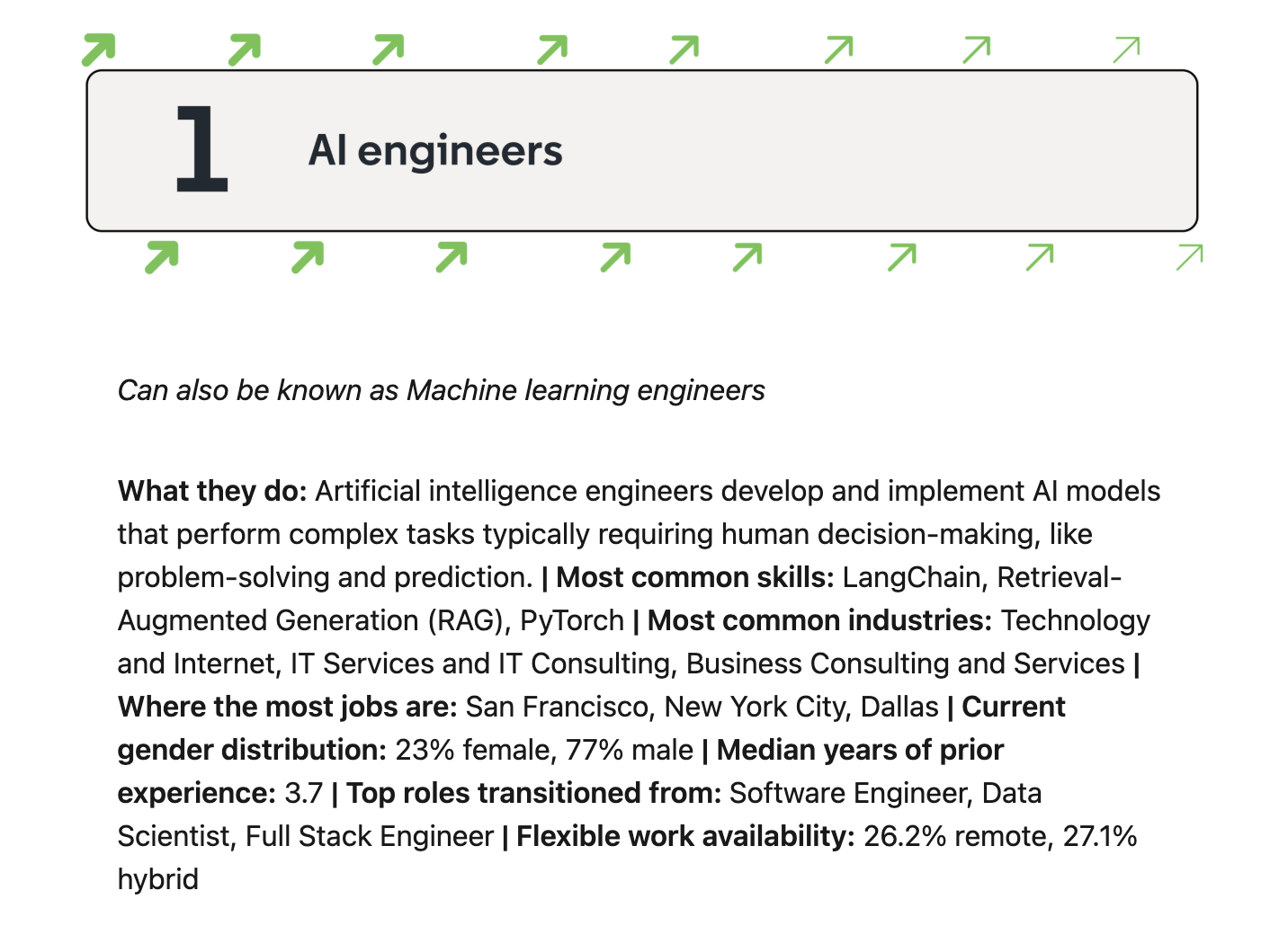
Right now, AI Engineer is the fastest-growing job title on LinkedIn. That tells you how quickly the surface is shifting.
You still solve problems for people.
You still make decisions with incomplete information.
You still own the outcome.
Titles change faster than the job itself.
AI did not remove responsibility
AI removes effort. It speeds things up. It fills in gaps.
It does not remove ownership.
Someone still decides what to build. Someone still approves shipping. Someone still gets the call when it breaks.
Most people who fear AI are not afraid of the tech. They are afraid of being accountable for faster decisions.
I see teams confuse output with progress. AI makes it easy to produce code that looks finished. That is not the same as the work being done.
Trust without understanding is not leverage. It is risk.
Titles matter less than trust
We still talk about titles. Senior. Staff. Principal. Head of.
What actually moves careers now is trust:
Who do we trust to make the call.
Who do we trust with the messy problem.
Who do we trust when things go wrong.
That trust builds through clear thinking and ownership. Not through a title change. You can see this shift most clearly in how teams now approach technical leadership.
Tech lead rotation makes this concrete
I see this pattern more and more in teams under pressure to move faster. One response is tech lead rotation. Not as a process. As a way to share responsibility. Instead of one fixed tech lead, senior engineers take the role for a limited time. Three or six months is common.
They stay hands-on. They also own decisions, direction, and trade-offs during that period. They are not promoted. They are accountable.
In practice, the rotating tech lead owns:
Technical direction and constraints, aligned with business goals
Priorities and sequencing, based on impact and risk
Architectural decisions, with long-term cost in mind
Delivery and risk trade-offs, not just velocity
Coordination with product and other teams, to keep decisions grounded
Decisions are explicit. Context is written down. Ownership is clear. When the rotation ends, the role moves on. The system does not reset. Teams choose this model because complexity is shared now.
AI and automation mean more engineers shape the system. Rotation spreads judgement across the team instead of concentrating it in one person.
It also changes behaviour.
People learn how hard prioritisation is.
They see the cost of trade-offs.
They stop treating decisions as abstract ideas.
Most importantly, it removes the illusion that responsibility can be avoided.
Careers look like portfolios now
Few people follow one clean path anymore.
You code. You advise. You mentor. You write. You build something on the side. That is normal.
Careers look more like portfolios. A mix of skills, reputation, and network built over time. This is why sharing what you learn matters. Not for reach. For signal.
What still matters
If you want to last in tech, focus on a few things.
Learn how systems fail.
Learn how people decide.
Learn how to explain trade-offs.
Learn how to own outcomes.
The stack will change again. It always does. Judgement holds its value.
And that is why, in 2026, a tech career still makes sense. Just not for the reasons it used to.